
Thank you for Subscribing to Telecom Business Review Weekly Brief

Magna International
Paul M. Bellack, VP Global IT and Digital Transformation
Technology Synergies Propelling Industry-level Transformation
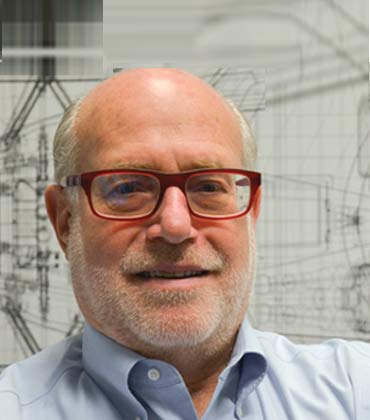
Paul M. Bellack
Paul Bellack is the VP of Global IT and Digital Transformation at Magna International, a $32B Global Automotive Parts Manufacturer. With more than half a decade of experience at the company, Bellack is currently responsible for the entire Magna Corporate IT Group. He leads a global team of approximately 500 IT professionals mandated to design and implement business relationship management, information security risk control, enterprise architecture, strategic planning, and solution delivery. He has played a vital role in designing and implementing a multi-year transformation of Magna’s core, global IT capabilities while accelerating digital transformation initiatives. The transformation that his Team delivered has proved to be secure, cost-effective, and scalable for the company and opened options for enabling improvements in Business processes and capabilities.
We are really honored to recognize Bellack as “Top 10 Canadian CIOs.” Following is the interview that we had with him. In light of your experience, what are some of the challenges that the pandemic introduced? With the advent of the COVID-19, several new car manufacturers (ie. our Customers) had to shut down their facilities, which in turn impacted our operations. However, that shutdown was not prolonged, and operations soon resumed. Our Business was able to weather the storm. The pandemic brought forth a new normal. Remote working was mandated for all organizations, and companies with unmodernized IT infrastructure for enabling work from home experienced a significant hurdle. At Magna International, by virtue of our IT transformation, we were able to scale up our collaboration and communications tooling relatively quickly and uneventfully by utilizing tools like Microsoft Teams. How your leadership at Magna International steers the company forward? I joined the company in 2015 to lead and mobilize its IT transformation initiative to deliver IT security, scale, and synergy without compromising the Business’ operating model. It took us almost three years to drive the desired IT transformation. In addition, My Team and I, built a comprehensive cyber security program. Next, we shifted focus toward “back-office” Business processes, such as Finance, HR, and Procurement. Traditionally, those processes tended to be inefficient and fragmented. But we instituted a “common process/common data” approach and have initiatives in place to make them more seamless and effective without affecting the core operating model. Today, my Team and I continue to liaison with the Business to create the right common process/common data strategies for the organization and help materialize them.In our world, everything is digital, and everything is transformational. So, the phrase, digital transformation is very context-dependent
The articles from these contributors are based on their personal expertise and viewpoints, and do not necessarily reflect the opinions of their employers or affiliated organizations.
